
Magnetic particle testing is a widely used non-destructive testing method designed to detect surface and near-surface defects in ferromagnetic materials such as steel and iron. Industries including manufacturing, construction, aerospace, automotive, oil and gas, and power generation rely on magnetic particle testing services to help ensure the safety, reliability, and quality of critical components and structures.
Because many structural failures begin with small cracks or flaws that are difficult to see with the naked eye, testing magnetic particles plays an important role in preventive maintenance and quality control. The method allows inspectors to identify defects early without damaging the material being tested.
What Is Magnetic Particle Testing?
Magnetic particle testing, also known as MPI or MT, is a non-destructive inspection process that uses a magnetic field and fine magnetic particles to detect crack, seam or other discontinuities in a metal surface.
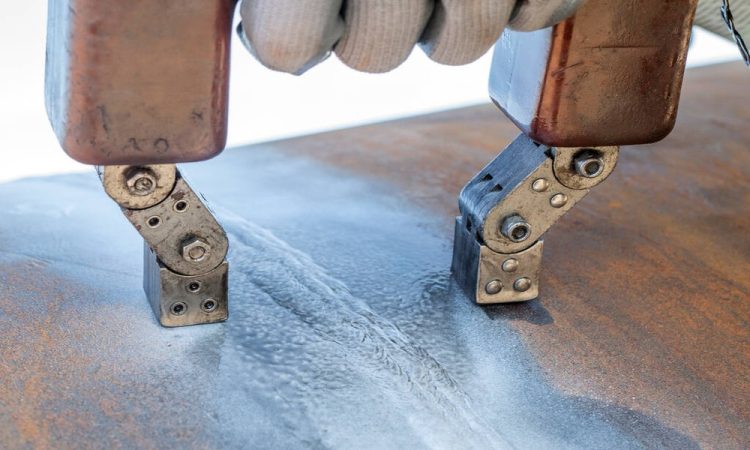
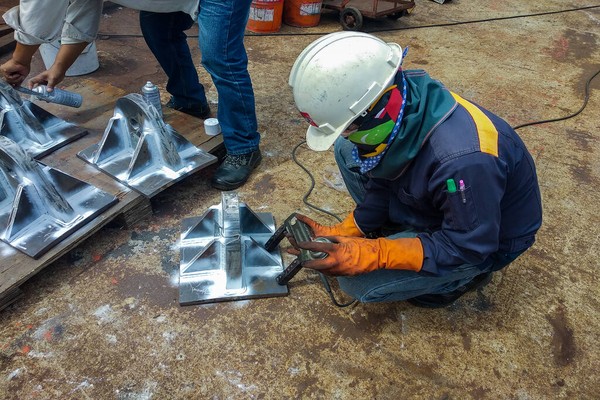
The component is magnetized with electrical current or with magnetic equipment during the inspection. If there is a crack or defect in the material, the magnetic field is distorted around the defect. A fine magnetic fleck is then applied to the surface, and the defect becomes visible to the inspector because the fine particles collect around the defect.
The particles can be dry powder or in liquid, depending on the testing requirements. Under ultraviolet light, particles are visible in some inspections (and may be fluorescent) to enhance detection. Go to this site to learn more about magnetic particle testing.
Common Applications of MPI
In industries where metal elements are under huge stress, pressure or repeated use, magnetic particle test services are widely used.
In manufacturing, MPI often is employed to examine welds, castings, forgings and machined parts for cracks or defects prior to delivery to service. Early detection of defects can lead to better products and decreased likelihood of failure.
The MPI is a method employed by the oil and gas industry to examine pipelines, drilling rigs, pressure vessels and structural parts that are subject to extreme operating conditions.
MPI is also used in construction and infrastructure projects for the analysis of steel beams, bridges, cranes and weld joints. The inspections contribute to the safety of buildings and the public.
This method of testing magnetic particles is widely used in the aerospace and automotive manufacturing sectors to examine engine components, axles, gears and suspension systems that are subjected to significant stresses and vibration.
Advantages of Magnetic Particle Testing
The great benefit of magnetic particle testing is that it is very fast and accurate in detecting extremely small surface and near surface defects. MPI can be used to detect cracks which may not be obvious in a visual inspection.
The process is further relatively fast and cost effective as compared to some of the other non-destructive testing processes. It can be employed in manufacturing and maintenance operations to inspect a set of large numbers of components efficiently.
Another advantage is that there is no damage done to the material being tested with magnetic particle testing. Components can be tested and subsequently put back into service, thereby minimizing downtime and replacing costs.
MPI is also very portable, so inspections can be carried out in manufacturing, construction sites, pipelines and field. Visit https://www.quora.com/What-is-magnetic-particle-testing-MPT-and-how-is-it-used-in-India for reference.
Limitations of Magnetic Particle Testing
The MP test is a very effective test, but it has some limitations. This method is effective with ferromagnetic materials (iron, nickel, cobalt and some steels). MPI cannot be used to inspect non-magnetic metals like aluminum and copper.
The testing process is especially designed to check for surface and near surface defects and not deep faults within the object. For more in-depth inspections, other techniques like ultrasonic testing can be used.
Proper surface preparation is important as well. Dirt, paint, grease or heavy coatings can interfere with the inspection and the degree of accuracy.
Importance of Certified Inspection Services
Magnetic particle testing services are conducted by trained and certified particle inspectors who are knowledgeable in magnetic particle testing procedures, safety standards and the appropriate use of up to date testing equipment. Experienced technicians are able to employ the proper magnetization methods and understand the inspection results precisely.
The industries have standards set by organizations like the American Society for Nondestructive Testing (ASNT), ASTM International and industry regulatory bodies that they must follow up with inspections.
Having trained inspection professionals ensure businesses remain compliant, safe and at a lower risk of equipment failure.
Conclusion
Magnetic particle testing services are an important part of modern quality control and preventive maintenance programs. By identifying cracks, weld defects, and other material flaws without damaging components, MPI helps industries improve safety, reduce downtime, and extend equipment life.
From manufacturing and construction to aerospace and oil and gas applications, magnetic particle testing continues to provide reliable inspections that support long-term structural integrity and operational performance.