
The alcohol industry has gone through various changes in recent years. Shifts in consumer behavior, new regulations, and unexpected global events forced retailers to rethink how they operate. During this period, many businesses realized the value of technology not just for serving customers, but also for managing daily operations behind the scenes, and solutions such as mobile checkout for restaurants highlighted how digital tools can improve speed, convenience, and operational efficiency across related industries.
Automation has become a tool to improve efficiency, stay compliant, and protect profit margins.
Technology’s Growing Role in Alcohol Retail
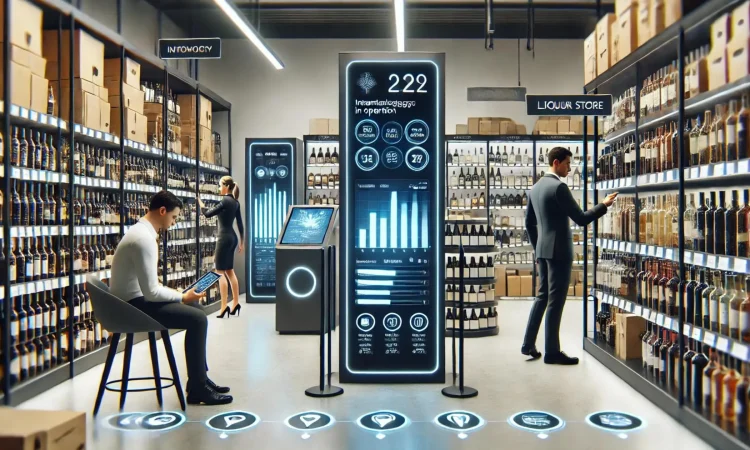
Retailers across the alcohol supply chain adopted digital tools to stay operational. Online ordering systems, digital payments, and automated scheduling helped businesses adjust quickly. While these tools improved customer-facing processes, many retailers also discovered the need to modernize internal workflows.
Alcohol products often represent high-margin inventory, but managing them manually can be time-consuming and error-prone. Automation helps retailers reduce paperwork, improve accuracy, and gain better visibility into their operations.
Simplifying Alcohol Invoice Payments
Managing alcohol invoices is one of the most challenging tasks for retailers. Payment rules can vary by region, and businesses may be required to pay distributors through specific methods or within strict timelines.
Automated payment systems remove this burden. Instead of preparing cash or writing checks, invoices can be paid electronically on their due dates. This saves time, lowers administrative costs, and reduces the risk of late payments. Timely payments also help retailers remain compliant with alcohol regulations.
Improving Compliance Through Automation
Alcohol laws are strict, and non-compliance can result in penalties or restrictions on purchasing inventory. Automation helps retailers stay compliant by ensuring payments are processed correctly and on time.
When invoice payments and records are automated, businesses reduce the risk of human error. This consistent process supports compliance with state regulations and helps retailers avoid being placed on restricted or no-sale lists.
Smarter Ordering with Data Insights
Automation does more than streamline payments, as it also provides valuable data. By collecting and organizing purchase information, retailers gain insight into sales trends and product performance.
Clear reports make it easier to see which products sell well and which do not. Retailers can adjust ordering patterns based on demand, reduce overstock, and avoid unnecessary costs.
Reducing Manual Reconciliation Work
Manual reconciliation is time-consuming and often leads to mistakes. Automation replaces paper invoices with digital records that are easy to search and review.
Retailers can access detailed invoice information in one place, making it easier to spot discrepancies and resolve issues. Integrating invoice data with accounting systems further reduces manual entry and improves accuracy.
Better Visibility and Control
With automated systems, retailers gain a clearer picture of their alcohol business. Centralized data improves confidence in financial reporting and helps management make informed decisions.
Instead of spending hours reviewing paperwork, teams can focus on improving operations, managing inventory, and growing the business.
Conclusion
Automation is no longer optional for alcohol retailers; it is a practical solution to complex challenges.
By adopting automation, alcohol retailers can protect margins, stay compliant, and operate more efficiently in an increasingly regulated and competitive market.